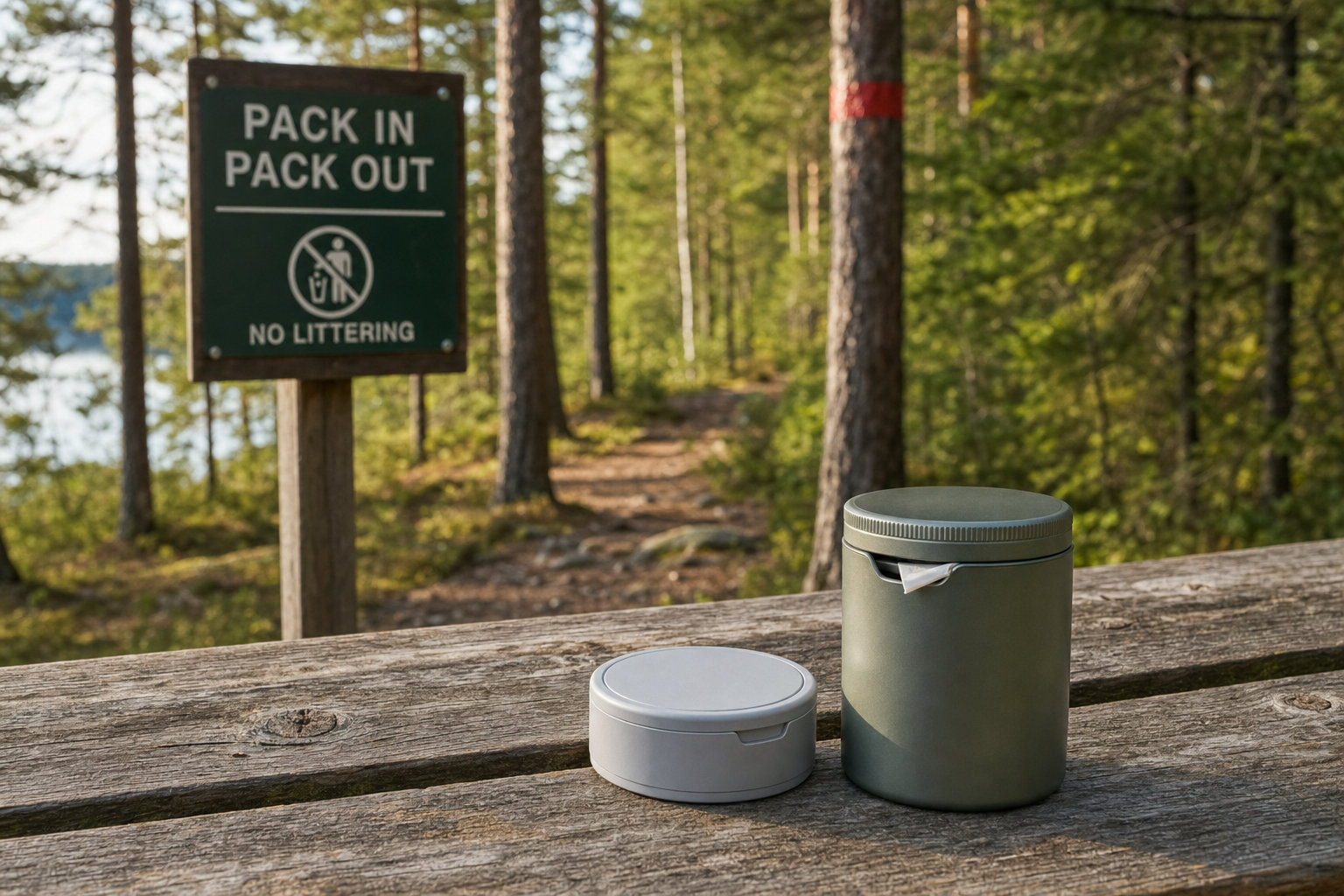
Swedish nicotine pouches are gaining popularity among outdoor enthusiasts, but many remain unsure of the rules for their use in parks and nature reserves. Understanding regulations is essential for protecting both the environment and the experience of other visitors. This article offers practical guidance to ensure safe, responsible, and compliant enjoyment of swedish nicotine pouches in natural spaces.
Growing interest in outdoor activities has led to more people bringing swedish nicotine pouches on their nature trips. Regulations for these products often overlap with rules intended for traditional tobacco or nicotine products, raising questions about what is permitted in protected areas. Figuring out whether using Swedish nicotine pouches in a particular park is allowed usually requires careful attention to both signage and site-specific policies.
How nicotine pouch regulations apply in parks and reserves
Regulations in parks and reserves are generally shaped by the goal of preserving sensitive habitats and maintaining a safe environment for all. Rules about nicotine use, whether smoking, vaping, or using Swedish nicotine pouches, are typically included under broader categories of tobacco or nicotine products. This means that where traditional smoking is restricted, Swedish nicotine pouches could also be affected.
Since Swedish nicotine pouches are considered discreet and smokeless, some users may assume they are exempt from strict regulations. However, parks may apply the same standards to all nicotine products, especially in areas such as visitor centers, shelters, or group activity zones. Always check for posted rules and follow the most cautious interpretation if you encounter ambiguity.
Environmental impact and waste management
One major concern around the use of Swedish nicotine pouches outdoors is their impact on the environment. Most parks and nature reserves enforce strong litter policies, requiring that all non-biodegradable waste, including used pouches and wrappers, is packed out to protect local habitats.
Disposing of Swedish nicotine pouches improperly can result in fines or other penalties, as park authorities strive to minimize both visual pollution and risks to wildlife. Bringing a dedicated container for used pouches is highly recommended for anyone planning significant time outdoors, especially in areas without trash bins or waste disposal facilities.
Personal responsibility and respect for shared spaces
Outdoor visitors share responsibility for keeping parks clean and enjoyable. Practicing good etiquette when using Swedish nicotine pouches includes managing waste properly, avoiding use in crowded or sensitive locations, and following site-specific hygiene recommendations. Observing these customs helps preserve the experience for others and supports long-term conservation efforts.
When rules or signage are unclear, taking the most cautious approach, such as limiting use to less crowded areas and seeking clarification from staff, demonstrates respect for both the space and its visitors. Actions like sealing used pouches in odor-proof bags or keeping supplies concealed can also reduce wildlife attraction and prevent nuisance. Pouches should always be disposed of responsibly to maintain the natural beauty of the environment.
Checking regulations before your trip
Before visiting a park, consult official websites or ranger stations for details on nicotine and waste policies. Search for terms like “nicotine products,” “litter control,” or “pack-in pack-out” to understand what’s expected at your destination. This proactive approach helps avoid misunderstandings and ensures you’re prepared for the conditions you might encounter.
If in doubt, it’s wise to err on the side of caution and adopt the strictest interpretation of all posted rules. Planning ahead by carrying a container for waste and reading up on site-specific practices makes it easier to enjoy Swedish nicotine pouches without causing environmental harm or facing regulatory issues as guidelines evolve across Sweden’s natural parks and reserves.