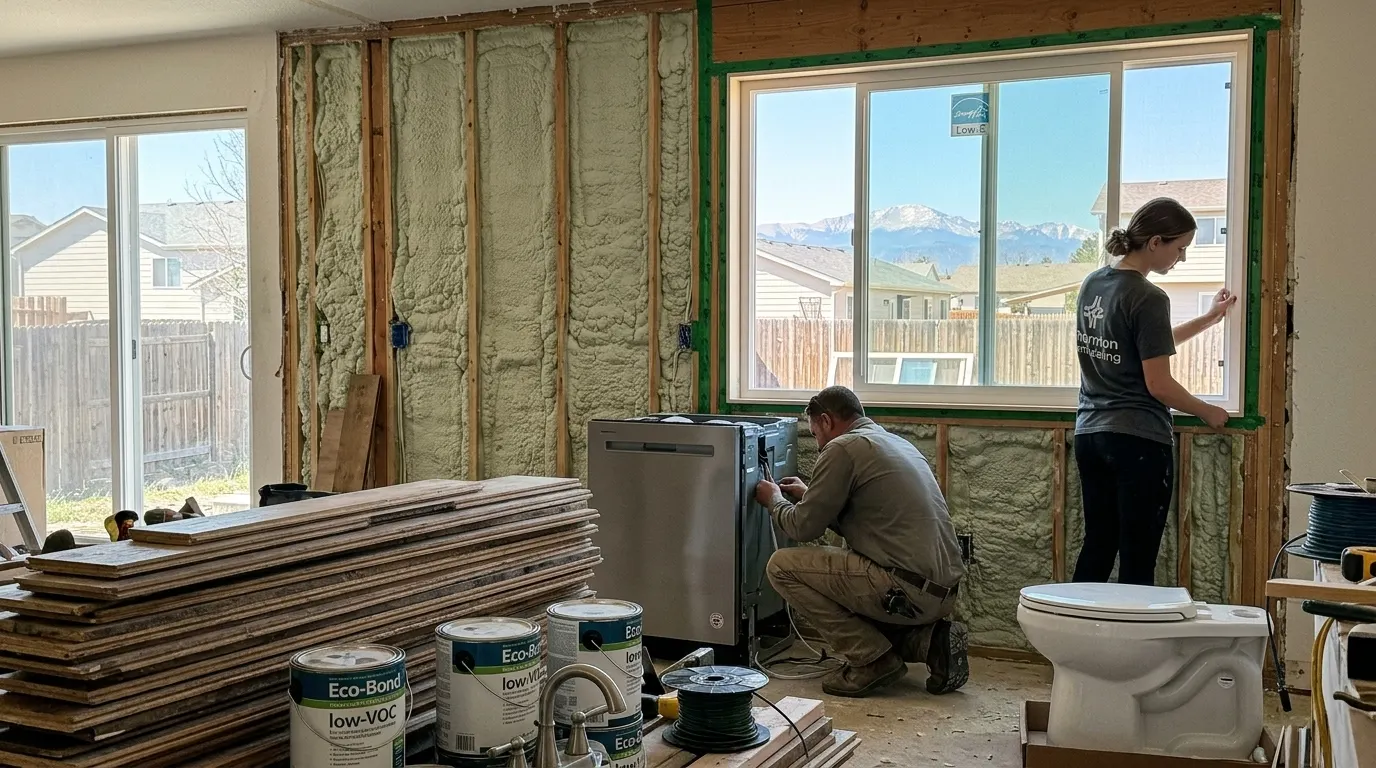
When homeowners embark on a renovation journey, aesthetics often take center stage. While a beautiful new kitchen or an expanded living room is transitionally exciting, a remodel presents a golden opportunity to upgrade a home's structural performance. Integrating building science into residential updates ensures that a property becomes not only more stunning but also significantly more energy-efficient, comfortable, and durable over the long term.
The core of sustainable remodeling lies in addressing the home's thermal envelope during structural changes. When walls are opened up for a layout modification, it is the perfect moment to audit and upgrade insulation and execute precise air sealing. Traditional framing often leaves critical gaps where conditioned air escapes, leading to high utility bills and uneven indoor temperatures. Addressing these flaws during a standard renovation turns a cosmetic upgrade into a high-performance investment.
Strategic Material Selection and Fixtures
Choosing the right materials is another pillar of eco-friendly design. Modern sustainable remodeling prioritizes materials with low environmental impact, high durability, and minimal off-gassing. For instance, opting for low-VOC (volatile organic compounds) paints and finishes dramatically improves indoor air quality from day one. Additionally, incorporating engineered lumber, reclaimed wood, or rapidly renewable materials like bamboo can substantially lower the overall carbon footprint of the project.
In high-use areas, planning careful kitchen and bathroom upgrades with water and energy efficiency in mind should dictate the fixtures and appliances selected. Installing low-flow faucets, dual-flush toilets, and Energy Star-certified appliances significantly curates a resource-conscious home. When paired with a reliable energy-efficient home remodeling strategy, these structural choices yield compounding savings over the building’s lifecycle.
Optimizing Daylighting and Fenestration
Windows and doors are notorious weak points in any standard building envelope. During a deep renovation, replacing old single-pane or failing double-pane windows with high-performance, low-E glass options is transformative. Properly oriented windows can harness passive solar heating during colder months while blocking excessive heat gain during the summer. Furthermore, maximizing natural daylight reduces reliance on artificial lighting, further trimming monthly electricity usage.
Climate-Specific Remodeling Focus
Every geographical region presents unique climate challenges that must dictate construction decisions. For homes experiencing dramatic seasonal temperature swings, vapor barriers, proper ventilation, and continuous insulation become critical to preventing moisture buildup and ice damming. Working with a dedicated Thornton,CO residential contractor who understands regional building codes and microclimates ensures that these technical elements are engineered correctly from the start.
Ultimately, successful green building isn't reserved exclusively for new constructions. True sustainability happens when we breathe new life into existing structures, upgrading older houses to meet modern efficiency standards. By combining smart spatial design with robust building science, homeowners can enjoy a space that looks exceptional, reduces environmental impact, and offers superior comfort for decades to come.